
How to Read a Certificate of Analysis
A certificate of analysis is only useful if you can read it. Most are two pages. Here is what each line is telling you and what it is leaving out.
The header
The top of a credible certificate identifies four things: the compound name and sequence, the lot or batch number, the date of analysis, and the laboratory that performed it. Each one should be checkable. The lot number should match the vial. The lab should be findable. The date should be close to the lot's manufacture. If any of these is missing or vague the rest of the document carries less weight.
The identity section
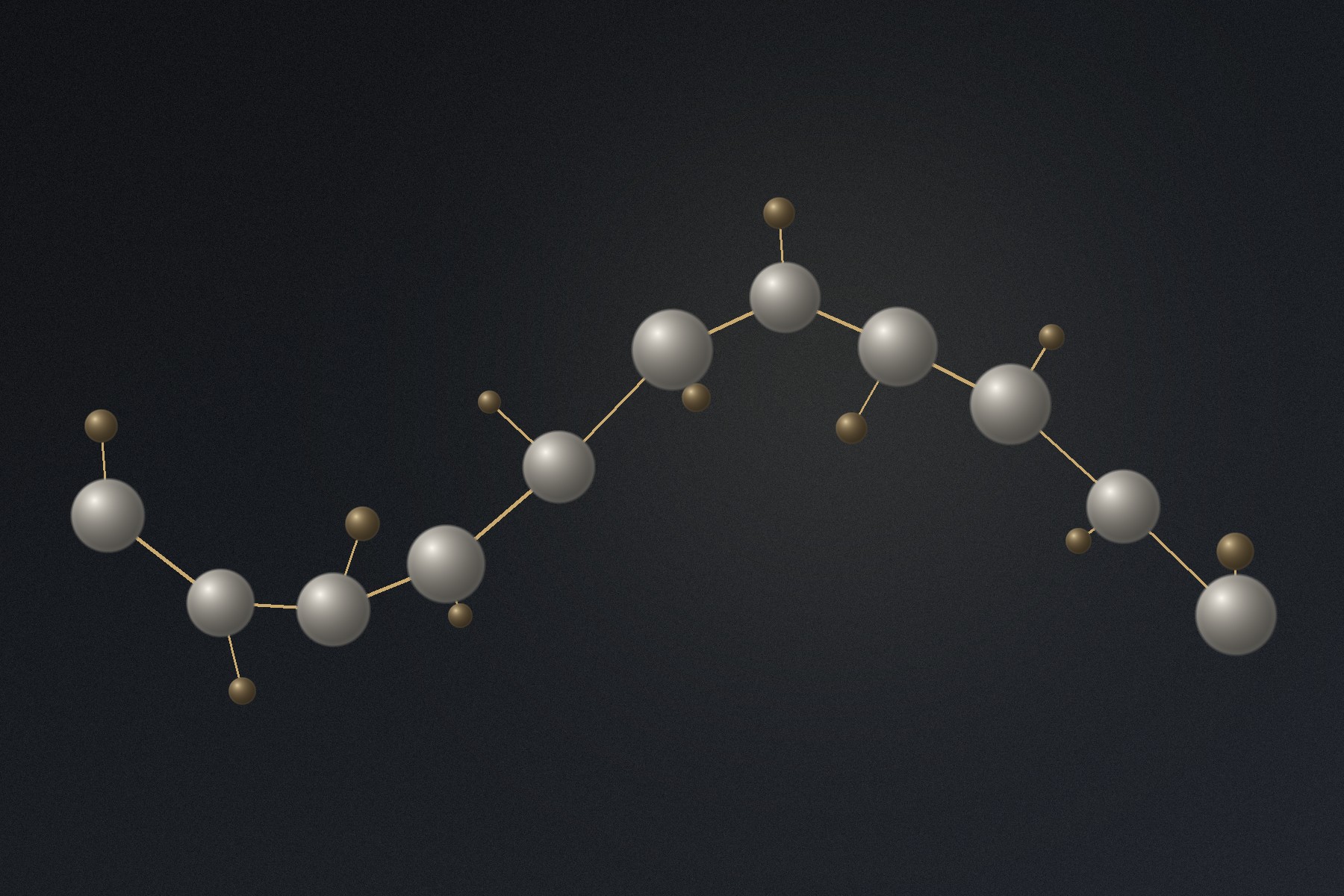
Identity is normally confirmed by mass spectrometry. The report will state an expected molecular weight, calculated from the sequence, and an observed molecular weight from the instrument. The two should agree within a small tolerance. Some certificates include the spectrum itself. A visible dominant peak at the expected mass is strong evidence. A single typed number with no spectrum is a claim rather than data.
The purity section
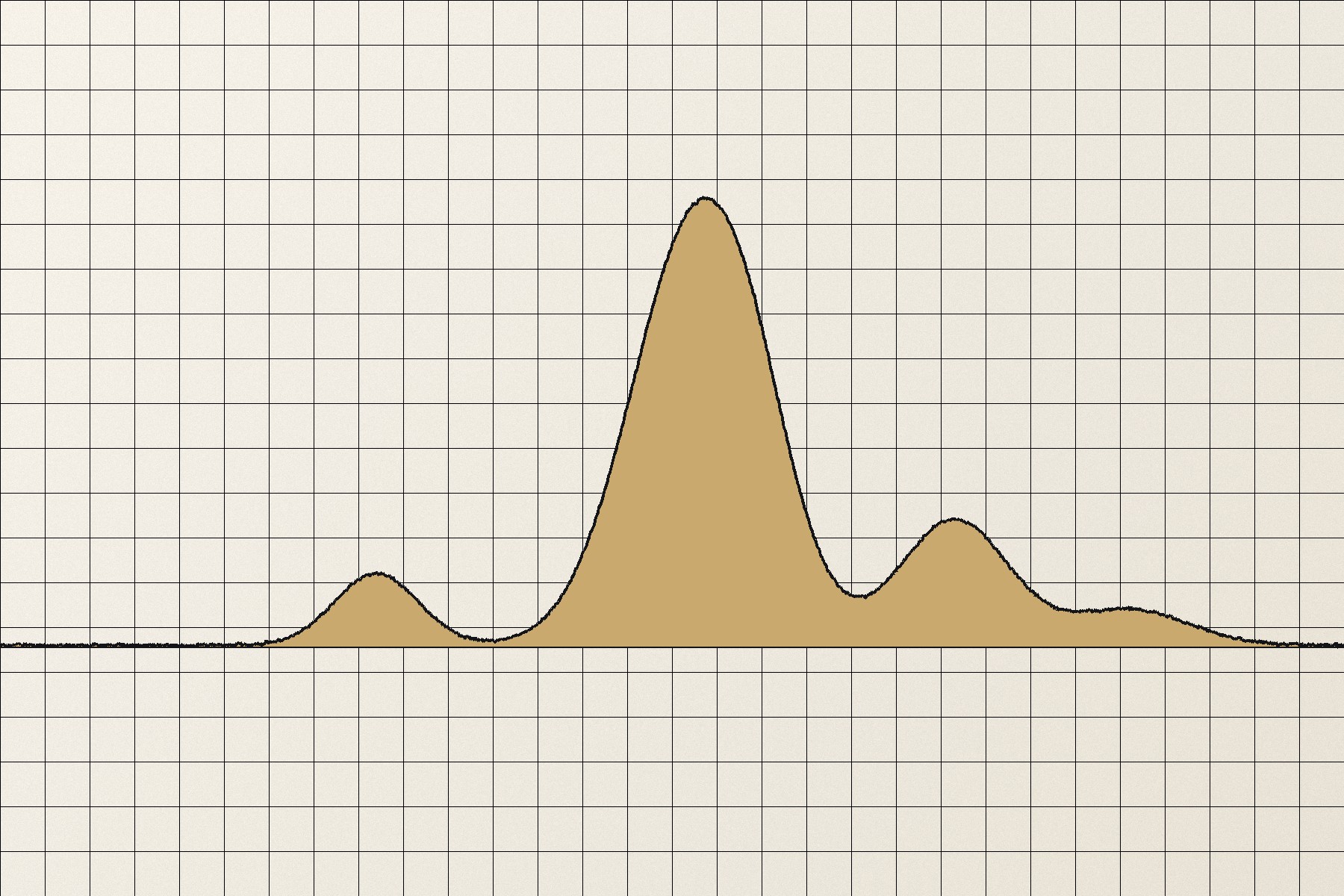
Purity comes from HPLC and is reported as a percentage. That percentage is the area of the main peak divided by the total area of all peaks in the chromatogram. A few details change how much that figure means.
- The trace. A good certificate shows the chromatogram. You should be able to see one dominant peak and judge the size of the others for yourself.
- The method. Column type, mobile phase gradient, flow rate and detection wavelength. Different conditions can produce different purity figures for the same sample.
- Impurity profile. Some labs list the main impurities. Deletion sequences and truncated peptides are the common ones.
Purity by HPLC does not include water content, residual salts or counter-ions. The actual peptide content by weight is typically lower than the HPLC purity figure, sometimes substantially. Better certificates report net peptide content separately.
Everything else
Depending on the supplier you may also see endotoxin results (reported in endotoxin units per milligram), microbial limits, residual solvent analysis, heavy metals, and water content by Karl Fischer titration. None of these is universal. Their absence is not proof of a problem. Their presence is a sign the supplier is thinking about more than the headline purity number.
A quick checklist
- Lot number present and matches the vial
- Named laboratory that can be verified independently
- Analysis date close to manufacture date
- Mass spec observed weight matches expected weight
- HPLC trace shown, not just a percentage
- Method conditions described
- Net peptide content or water content reported
- Document is not a reused template with a changed name
No single certificate removes all uncertainty. Read together with a supplier's broader practices it tells you whether you are dealing with a laboratory supply business or something else wearing its vocabulary.
What Research Peptides Actually Are
A plain-language primer on peptide chemistry, why these molecules are studied so widely, and what "research use only" means in practice.
Sourcing: How Legitimate Research Material Is Verified
Purity, identity and contamination are separate questions. Here is what independent testing answers, what it cannot, and the red flags that should end a conversation.