Sourcing: How Legitimate Research Material Is Verified
A peptide with the right name on the label is not necessarily the right peptide, at the right purity, free of the wrong things. Verification is the discipline that closes that gap.
Three different questions
When researchers talk about quality they are usually collapsing three separate questions into one word.
- Identity. Is the molecule in the vial the sequence it claims to be? Mass spectrometry answers this. The measured molecular weight either matches the expected value or it does not.
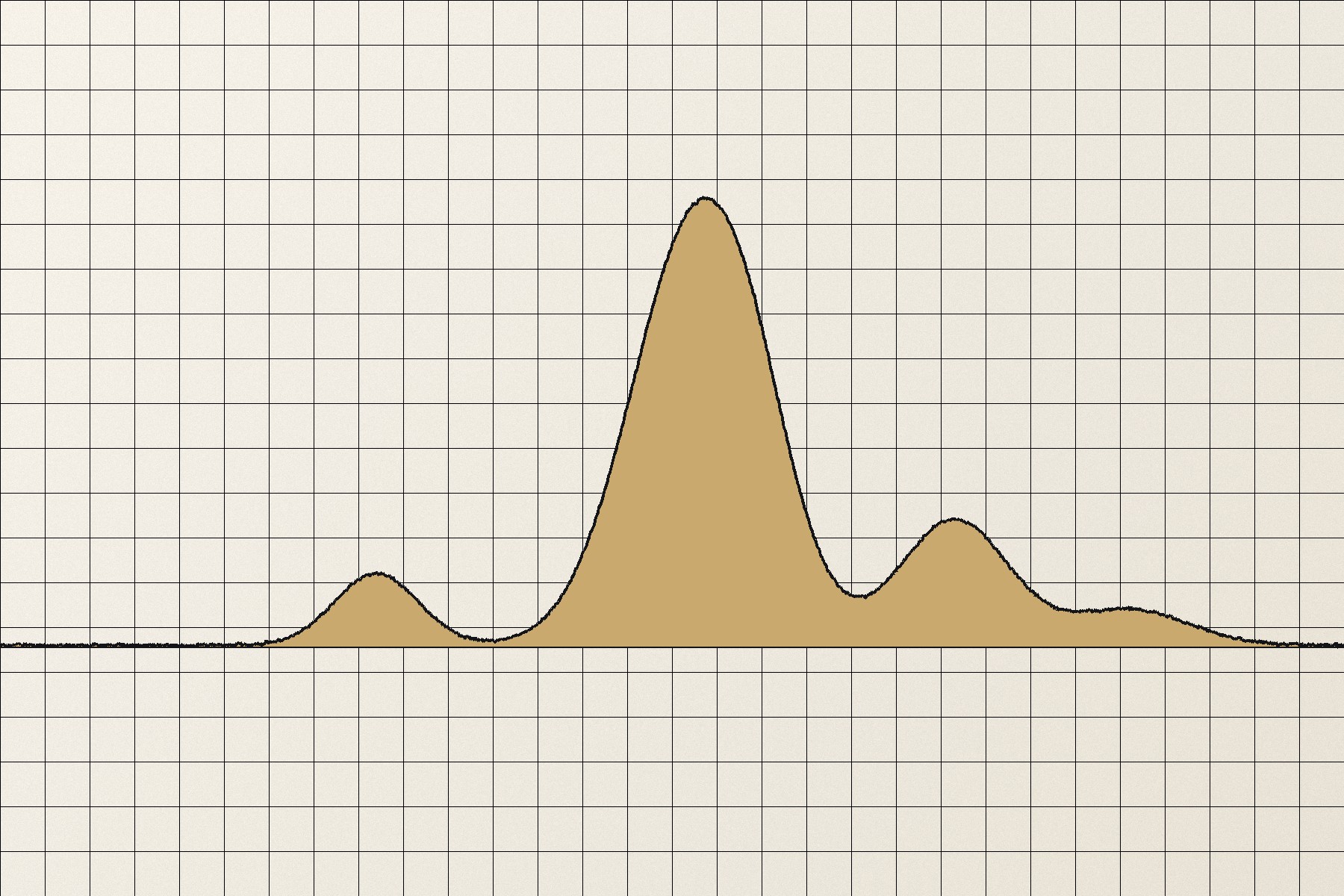
- Purity. How much of the material is the target peptide versus truncated sequences, deletion products or synthesis by-products? High-performance liquid chromatography (HPLC) is the standard tool. The percentage you see on a certificate is almost always an HPLC figure.
- Contamination. What else is present that the first two tests do not measure? Residual solvents, heavy metals, bacterial endotoxin and microbial load are the usual concerns. Each needs its own assay.
A certificate that answers only one of these questions is a partial picture. Ninety-nine percent purity by HPLC says nothing about endotoxin. A clean mass spec says nothing about how much of the sample is actually the target.
What independent testing looks like
The phrase third-party tested means the analysis was performed by a laboratory with no commercial stake in the result. The best practice in the field has a few consistent features.
- The testing lab is named and can be contacted or looked up independently.
- Results are tied to a specific lot number that also appears on the vial.
- The report shows actual data (a chromatogram trace or a mass spectrum) rather than a summary line.
- The method is described: column, gradient, detection wavelength for HPLC; instrument type for mass spec.
- Dates are recent relative to the lot's manufacture.
Some suppliers go a step further and allow buyers to send a sample to a lab of their own choosing. That is the strongest form of verification available and the cost is modest relative to the cost of running an experiment on bad material.
Reading supplier claims
Marketing language in this space borrows heavily from pharmaceutical vocabulary. A few terms deserve a careful reading.
| Claim | What it should mean | What to ask |
|---|---|---|
| "99%+ purity" | HPLC area percent on a stated lot | Which lot? Can I see the trace? |
| "Pharmaceutical grade" | Manufactured under GMP conditions with full documentation | Who is the manufacturer? Is there a GMP certificate? |
| "Lab tested" | Tested by someone, somewhere | Which lab? Is the report available? |
| "USA made" | Synthesised domestically | Synthesised, or only repackaged? |
Red flags
Experienced researchers tend to walk away from a source when they see any of the following.
- No lot numbers on vials or certificates.
- Certificates that are images with no lab name, method, or date.
- One certificate reused across many products or many months.
- Health claims, before-and-after language, or anything that reads like a consumer supplement advertisement.
- Pressure tactics: countdown timers, "limited stock," bundled "stacks" marketed with outcomes.
- No physical address or a mailbox address only.
- Refusal to discuss testing when asked directly.
Good suppliers are usually relieved to be asked about testing. It is the ones who get defensive that tell you something.
A note on price
Synthesis cost scales with sequence length, modifications, and purification effort. A compound that is dramatically cheaper than the market usually got there by skipping a purification step, using a less reputable manufacturer, or not being what it says it is. Price alone proves nothing in either direction. It is simply one more input to weigh alongside documentation.

Safety in the Lab: Handling and Storage Fundamentals
Peptides are fragile. Light, heat and moisture all degrade them. These are the principles good laboratories follow to keep material stable and the people around it safe.
Why a Written Protocol Matters Before Anything Else
A protocol is not paperwork. It is the difference between an experiment and an anecdote. What goes into one and why skipping it quietly undermines everything after.