What Research Peptides Actually Are
Before the forums, the headlines and the hype there is a simple piece of chemistry. Understanding it is the first step toward reading anything else in this field with a clear head.
A short chain of amino acids
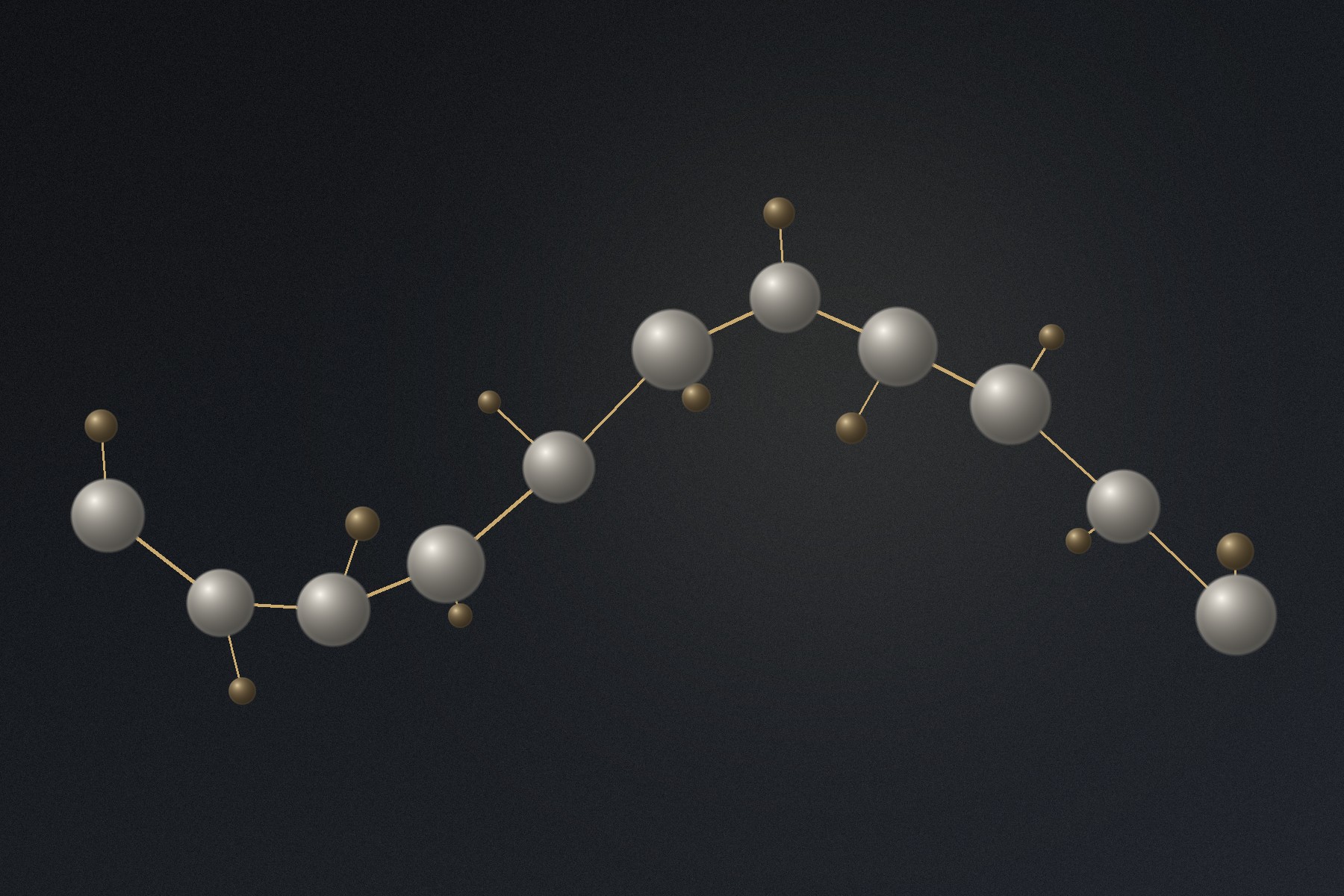
A peptide is a chain of amino acids joined by peptide bonds. The same twenty or so building blocks that make up every protein can be linked in short sequences of two to around fifty units. Beyond that length chemists usually start calling the molecule a protein. The boundary is fuzzy. The chemistry is not.
Because peptides are built from natural building blocks they interact readily with biological systems in the laboratory. Many naturally occurring signalling molecules are peptides. That native recognition is the reason the class attracts so much research attention and also the reason it needs careful handling. A molecule that signals strongly in a cell or tissue model is interesting and demanding in equal measure.

Why researchers care
Three qualities keep peptides on the bench in academic and industry labs.
- Specificity. A peptide sequence can be designed or selected to bind one receptor and largely ignore others. That makes it a clean tool for asking a narrow biological question.
- Tunability. Swap one amino acid, add a fatty-acid tail, or cap one end and the molecule's stability and behaviour change in predictable ways. Medicinal chemists have spent decades building that playbook.
- A deep literature. Peptide chemistry has been studied for decades and the published record is large. That track record keeps funding and curiosity flowing toward the next questions.
Classes you will hear about
Most compounds discussed online fall into a handful of families. Knowing the family tells you a lot about how a compound is studied in the laboratory and what its handling demands are.
| Family | What is being studied | Typical research setting |
|---|---|---|
| Incretin-pathway analogues | Receptor signalling in metabolic pathways | Cell-based receptor assays and biochemical models |
| Secretagogue-class peptides | Receptor pharmacology and signalling cascades | In vitro receptor binding and cell models |
| Tissue-model peptides | Angiogenesis and inflammation markers in cell and tissue models | Largely in vitro, with a thin published record |
| Melanocortin analogues | Receptor subtypes and their downstream signalling | Receptor-binding and cell-based studies |
| Signalling fragments and synthetic designs | Novel sequences built to probe one pathway | Early discovery work |
Notice the right-hand column. For many families the published research is thin and confined to the bench. That gap between what gets discussed and what has been demonstrated is the single most important thing a reader can keep in mind.
What "research use only" means
You will see this phrase on nearly every supplier page and certificate. It is not a formality. A compound labelled research use only has not been evaluated by any regulator for safety or effectiveness. It is manufactured and sold for in vitro laboratory investigation and nothing else. Reputable suppliers state this plainly and expect buyers to be qualified researchers operating within a lab setting.
Where to go from here
The rest of this site builds on this foundation. We look at how legitimate material is sourced and verified, how it should be stored and handled, and why a written protocol matters before any experiment begins. None of it replaces formal training. All of it is meant to make the formal material easier to approach.
Sourcing: How Legitimate Research Material Is Verified
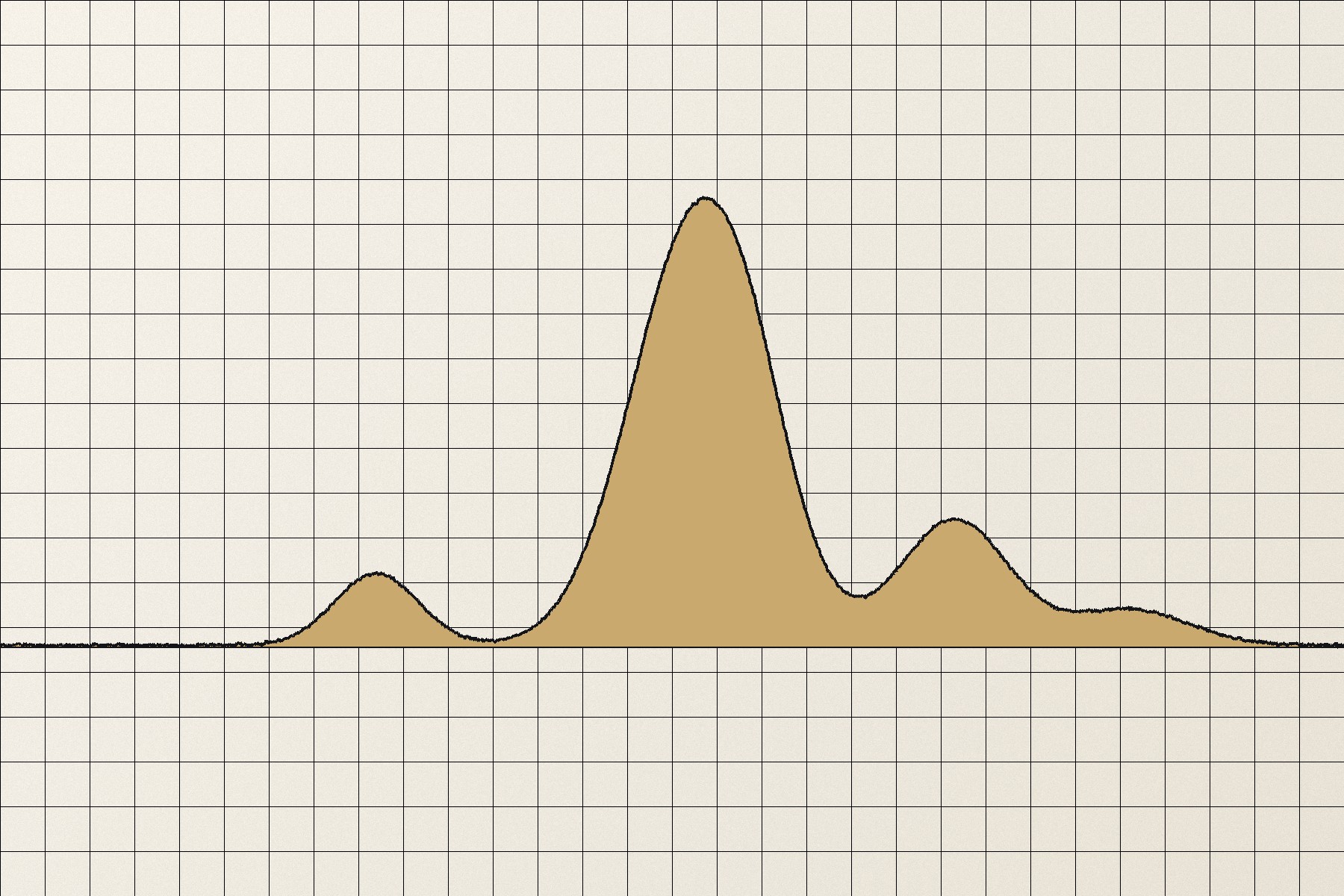
Purity, identity and contamination are separate questions. Here is what independent testing answers, what it cannot, and the red flags that should end a conversation.

Safety in the Lab: Handling and Storage Fundamentals
Peptides are fragile. Light, heat and moisture all degrade them. These are the principles good laboratories follow to keep material stable and the people around it safe.